
Introduction
Climate change is a serious threat to pediatric safety and health, resulting in respiratory and cardiovascular disease, cancer, and mental stress and anxiety.1–3 Youth are susceptible due to their growth, behaviors, and long lifespan post-exposure.4 Preexisting health disparities complicate this issue, with racial/ethnic minority and rural children at significantly greater risk of developing chronic illness (e.g., asthma, obesity) than white children, a pattern that persists in New York.5–8 To effectively and equitably protect children’s health, it is essential to understand health impacts, identify resources in minority and underserved communities, and lead transformational efforts towards environmental justice.9 Few studies have explored climate and health perceptions among youth, specifically in a youth advisory structure format.
Youth advisory structures (YAS) recognize that young people are experts on the issues that impact them.10 YAS methods have been successful in studies on stigmatized health topics (e.g., HIV, mental health), in marginalized populations.11,12 Notable benefits include valuable research insights, youth professional development, and strengthened community capacity for change.13
Here we describe the creation of a novel youth climate advisory panel, YAP, as part of a larger project called “Understanding Pediatric Susceptibility Across Temperature and Environment in New York” (UPSTATE NY). The YAP worked with Black, Indigenous, and People of Color (BIPOC) youth in New York State (NYS) to identify climate and health impacts across urban-rural and socioeconomic gradients. This paper shares youth insights through a participant-guided framework.
Methods
UPSTATE NY Youth Advisory Panel (YAP) Development
The YAP aimed to understand impacts of climate change on youth statewide and provide tools for climate action. The project had four facilitators from diverse backgrounds: two medical school faculty from New York City (NYC), a business leader engaging Black, Indigenous, and People of Color (BIPOC) in Buffalo, NY, and a medical student.
A curriculum was custom-designed through participant guidance. Four 2-hour video conference meetings were planned bimonthly from May to November 2024. Each session incorporated a youth learning goal (i.e., learn about climate and health, community assets/stressors), an UPSTATE YAP project goal (i.e., gather youth knowledge and perceptions), and a skill-building activity.
In the two months between each session, participants were assigned a skill-building activity, which they were required to complete before the next session. These activities were chosen by facilitators as relevant and transferable skills for youth involved in community engagement and advocacy. Before session 2, participants completed a Photovoice activity. Photovoice is a participatory research method that facilitates communication of lived experiences through photography, often used to empower marginalized communities.14 Before session 3, participants completed a Strengths, Weaknesses, Opportunities, and Threats (SWOT) Analysis. SWOT is an organizational tool used to analyze internal and external factors that impact an organization or initiative, ultimately helping leaders develop strategies to build on strengths/opportunities and mitigate weaknesses/threats. Finally, before the last session, participants practiced communication skills by preparing a 3–5-minute presentation for their peers, YAP facilitators, and family and friends.
Panel Recruitment and Diversity
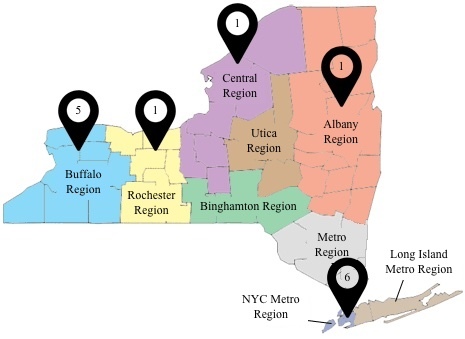
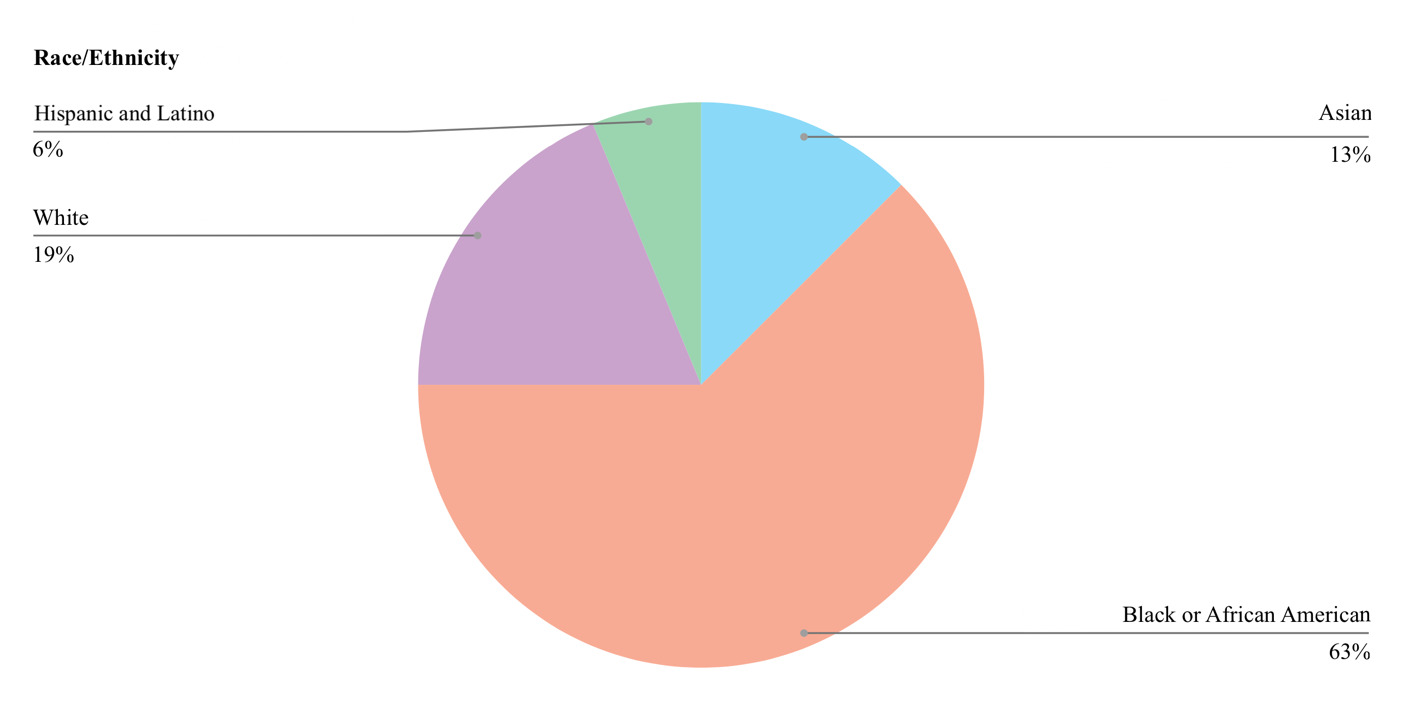
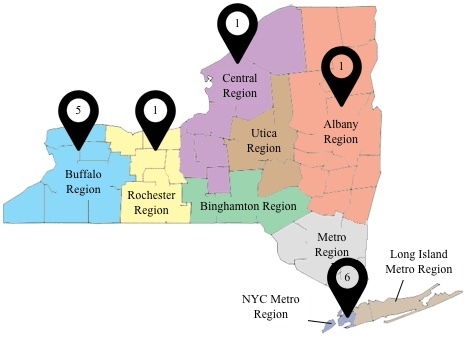
Fourteen youth (ages 14-21) were recruited through networking, with the goal of statewide representation from BIPOC communities (See Figures 1 and 2). YAP facilitators reached out to contacts at 7 organizations, including 5 mentorship programs, a community center in Manhattan, and a Boys & Girls club in Buffalo. We asked contacts to nominate youth “who have demonstrated an exceptional commitment to the groups and communities that they are a part of”, with no additional criteria apart from age. The nomination period lasted 3 months, resulting in 13 nominations. Six youth involved in a state-wide advocacy program were contacted directly.
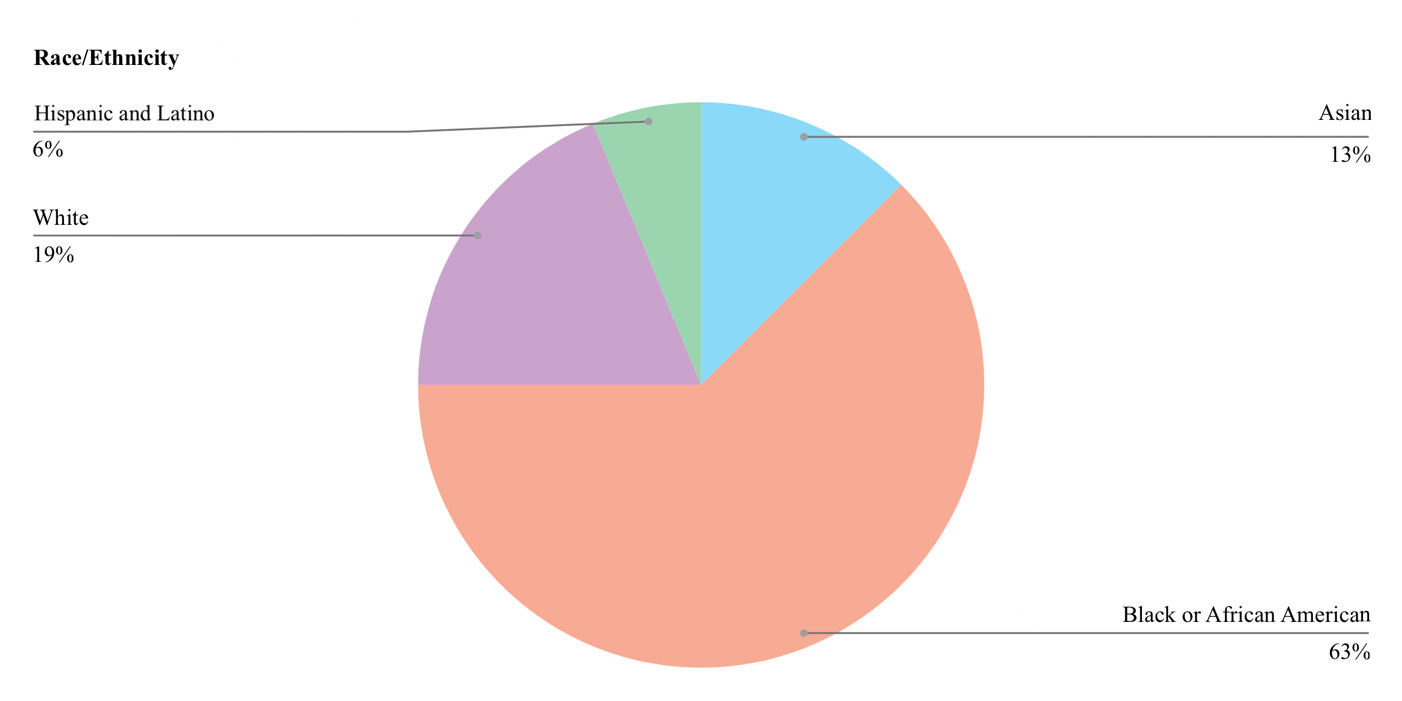
Youth were contacted by email and text message, provided a program description (including program dates and compensation), and asked to complete an Expression of Interest (EoI) form. 14 youth completed the form, consisting of 10 females and 4 males, and were notified of their acceptance by March 2024.
Engagement and Evaluation
Before beginning the YAP, the EoI form collected demographic information and included three open-ended prompts about climate change, community engagement, and YAP expectations. This design facilitated the collection of unexpected insights on participants’ knowledge and interests. Based on responses from the EoI form, a pre-participation survey with 9 close-ended options assessed goals, expectations, and desired skills development from participants. This facilitated a direct comparison of goals among participants.
At the end of each session, participants provided real-time verbal feedback and completed post-meeting evaluation surveys. The surveys assessed participants’ ratings of each session, perceived learning about climate and health, and overall session satisfaction. Responses were measured using four-point scales, respectively: excellent/strongly agree/very satisfied, very good/agree/satisfied, good/disagree/unsatisfied, and poor/strongly disagree/very unsatisfied. Surveys gathered open-ended remarks about which parts of the sessions were most valuable to the participants and how the sessions could be improved. In the 2 months between each session, facilitators reviewed participant feedback and designed the following sessions based on suggested improvements.
Communications were through email, text message, and GroupMe. Participants received a $25 food gift certificate and a $100 stipend per session.
Results
Through the EoI form, all participants demonstrated baseline knowledge of climate change and its long-term impact on the environment. Ten participants completed the pre-participation survey. The most common goal was a desire to learn more about climate change and health (8), followed by opportunities to network with like-minded peers and professionals (7) and to develop leadership skills (7). Participants were least interested in learning about advocacy, writing, and time management.
Four sessions were designed to align with participants’ stated objectives. Table 1 describes each session, pre-work, and post-meeting participant satisfaction. Session 1 covered expectations and foundational knowledge on climate change and health. Youth shared stories about climate health impacts. They appreciated the opportunity to hear their peers’ perspectives, especially about “how asthma has changed everyone’s lives in New York.” The main suggestion was more peer-to-peer discussion.
Incorporating feedback from the first session, session 2 prioritized youth discussion. It began with a presentation on community resources, after which panelists brainstormed community assets for climate adaptation. Using Photovoice, YAP members shared photos depicting climate impacts on themselves and their communities.14 One member commented that this activity “showed that many people view climate change in different ways, [which] helps to connect people to others who may have similar experiences.”
The Photovoice activity effectively illustrated specific impacts of climate change on the YAP members and their communities. Participants shared stories of extreme heat, flash floods, sea level rise, blizzards, and environmental pollution. These events disrupted school attendance and participation in hobbies (i.e., Shakespeare in the Park, or canoeing), and destroyed local homes, businesses, and infrastructure. Additionally, the activity highlighted differences across urban-rural and socioeconomic gradients. For example, while several participants shared stories about devastating flooding, someone from the Central Region described how flooding prevented farmers from growing crops and fishing, whereas someone from the NYC metro area described road closures and a shutdown of transportation systems. This sparked meaningful discussion about socioeconomic disparities and how they influence a community’s ability to mitigate and adapt to climate-specific challenges.
Session 3 focused on skill-building. Before the session, participants completed a Strengths, Weaknesses, Opportunities, and Threats (SWOT) Analysis of their community, summarized in Table 2. Youth identified strengths (community-based and non-profit organizations, new climate policies, environmental resources) and weaknesses (socioeconomic barriers, high pollution, poor city infrastructure). In terms of external influences, panelists suggested that opportunities may include climate adaptation, disparity reduction, and renewable energy investment. Threats included extreme weather vulnerability, socioeconomic barriers, and political disinvestment. The session concluded with a guest PhD candidate speaking about research and careers in environmental health. Participants appreciated learning about regional differences through the SWOT analysis and expressed interest in learning more about career development.
The final session celebrated YAP participants, welcoming family and friends to their presentation, where they shared their learnings and future action steps. “Speed Dating” with the facilitators allowed participants to hear about career paths and ask questions in small groups. 100% of participants reported being very satisfied with this session and enjoyed the opportunity to debrief YAP highlights and gain career advice.
Discussion
The diverse YAP, comprised of youth from underserved, BIPOC, and rural communities across NYS, encouraged thought-provoking and uplifting conversation about climate change and health. Program successes included sustained youth engagement, a dynamic curriculum, and opportunities for youth to learn about climate and health, develop leadership skills, and explore professional growth. The panel was guided by experienced facilitators, and direct text messaging proved to be the most effective method of communication between sessions.
To our knowledge, the YAP is a novel approach to a YAS specific to climate change and health. As described in prior YAS studies, it was important to monitor participants’ goals.12 A variety of methods were used to monitor goals, including an EoI form, a pre-participation survey, verbal feedback during sessions, and post-session evaluations. When youth expressed a desire for more peer-to-peer engagement, facilitators planned more group discussions and the Photovoice, SWOT analysis, and final presentation activities. Participants also expressed an interest in professional development and mentorship; in response, facilitators included a guest speaker and the speed-dating activity. Together, the evaluation tools provided a comprehensive understanding of how participants were engaging with the curriculum and experiencing the YAP overall. The YAP curriculum was reflexive and adaptive, successfully incorporating feedback from participants to enhance satisfaction and engagement.
YAP panelists became comfortable discussing personal experiences, such as asthma exacerbations and extreme weather-related injury or death, aligning with known impacts of climate on health and anxiety.8,15,16 They exhibited an understanding of socioeconomic disparities and believed that community-level interventions would help in climate adaptation. Youth expressed reduced anxiety and increased hope for the future when discussing these topics with peers.17,18
In the face of preexisting health disparities, an escalating climate crisis, and inconsistent political support, it is critical to respond to climate change through comprehensive and equity-driven approaches. The YAP underscores the importance of recognizing climate change as a health crisis, and hearing from the populations that are most vulnerable to its health impacts (i.e. youth). This perspective is gaining global support, as evidenced by the first-ever Health Day in the UN Climate Change Conference in 2023. The YAP employed an environmental justice framework to engage underserved and marginalized communities. We not only recruited BIPOC and underserved youth, but also intentionally addressed common barriers to participation. This included offering food vouchers, stipends, and virtual participation to promote accessibility and equity. These efforts align closely with the goals of New York’s Climate Leadership and Community Protection Act (CLCPA), passed in 2019, which seeks to advance environmental and public health through ambitious climate targets and community engagement.19 As addressed by the CLCPA, environmental justice is a critical component to protecting children’s health and ensuring that all children, regardless of race, ethnicity, socioeconomic status, or geographic location, have safe and healthy futures.
Despite a successful program, the YAP faced several limitations. Primarily, a sample size of 14 participants, with a majority of females, limits this project evaluation’s ability to generalize to the broader New York State population of youth and adolescents. However, participants were purposefully selected to ensure statewide representation. Additionally, many panelists were recruited through prior involvement in climate change and mentorship initiatives, which introduced a selection bias towards individuals who were more engaged in climate issues than perhaps the average 14- to 21-year-old. Nonetheless, this facilitated rich discussions about climate change and health. Finally, evaluation of climate change knowledge at the beginning and end of sessions was not collected using validated measures. However, the aim of the YAP was not only to measure educational outcomes, but rather to create a space for dialogue on these complex issues with youth and to reduce barriers to those not as familiar with the topics.
Conclusion
The YAP increased understanding of youth perspectives on climate health impacts and empowered participants with skills to effect change in their communities. Participants shared personal experiences on the impact of climate change on their physical and mental health, and recognized the powerful role that community characteristics can play in adaptation, along with environmental protection and climate policy. The YAP effectively engaged youth from underrepresented, BIPOC, and rural communities across NYS. It provided a rare opportunity for youth to engage with peers statewide and practice leadership skills to empower them to confront the challenges of climate change. Finally, the YAP offers novel insights and implications for climate policy and practice, demonstrating an innovative, comprehensive, and equity-driven approach to the protection of children’s health.
Acknowledgments
The authors would like to thank YAP participants, their families, nominating educators, and Lisa Frueh. We would like to thank the anonymous reviewers for their thoughtful comments and constructive suggestions, which greatly improved the quality of this manuscript.
Disclosure Statement
The authors of this manuscript were supported by EPA Grant Number R840472 - Understanding Pediatric Susceptibility Across Temperature and Environment in New York (UPStATE NY). The authors declare no relevant financial disclosures or conflicts of interest.
About the Author(s)
*Devneet Kaur Kainth, MPH *
Devneet Kaur Kainth, MPH, is a medical student at Drexel University College of Medicine in Philadelphia, PA. She is passionate about environmental health programs, research, and advocacy, in addition to global health work. She holds a Master of Public Health degree from Columbia University Mailman School of Public Health, with a certificate in Environmental Health Policy.
Sofia Curdumi Pendley, PhD, MPH
Sofia Curdumi Pendley, PhD, MPH, is an Assistant Professor in the Department of Environmental Medicine at the Icahn School of Medicine at Mount Sinai. Her research focuses on disaster resilience, migration, evaluating public health programming, and food security. She employs community-based participatory research techniques whenever possible. As a member of the Children’s Environmental Health Team, she provides evaluation expertise across various centers and programs. Dr. Pendley completed her PhD from Tulane University’s Celia Scott Weatherhead School of Public Health and Tropical Medicine. She holds a Master of Public Health degree from Tulane University in International Health and Development.
Faustenia L. Morrow
Faustenia L Morrow is the Founder and Principal at Monarch of Infinite Possibilities LLC (MIP). She uses innovative methods to help clients engage community stakeholders and break barriers around equity. MIP is a partner in the WNY Clean Energy HUB sponsored by NYSERDA. Ms. Morrow connected the Pastor Environmental Movement (PEM) and Juneteenth-Buffalo to the Erie County Environment and Planning Department to introduce sustainability practices. She has consulted with Buffalo Niagara Waterkeeper, the Interfaith Committee of the Sierra Club Niagara Chapter, Clean and Healthy NY, WeACT for Environmental Justice (Harlem, NY), and the Toxic Waste Lupus Coalition to support marginalized communities.
Jane E. Clougherty, MSc ScD
Jane E. Clougherty, MSc, ScD, is Professor of Environmental and Occupational Health at Drexel University Dornsife School of Public Health. She completed her doctorate and post-doctoral training at Harvard (now T.H. Chan) School of Public Health, and served as Senior Research Scientist at New York City Department of Health and Mental Hygiene, and Assistant Professor and Director of Exposure Science at the University of Pittsburgh Graduate School of Public Health. Her work focuses on the combined effects of chronic psychosocial stressors and environmental exposures on urban health. She has led studies funded by the EPA, NIH, the Health Effects Institute, and others.
Perry E. Sheffield, MD, MPH
Perry Sheffield, MD, MPH, is a Professor in the Departments of Environmental Medicine and Pediatrics and a member of the Mount Sinai Institute for Exposomic Research. She co-directs the New York State Children’s Environmental Health Center network (NYSCHECK.org) and the Region 2 Pediatric Environmental Health Specialty Unit (PEHSU), a US Environmental Protection Agency and Centers for Disease Control and Prevention program supporting children’s environmental health in New Jersey, New York, Puerto Rico, and the US Virgin Islands.