
Positionality
We approach this work from our distinct, yet interconnected positionalities shaped by our educational backgrounds, professional training, and lived experiences. Lucy Onyinye Efobi, a fourth-year undergraduate at Felician University majoring in Nursing, approaches public health with a clinical and patient centered perspective. Her hands-on experience as a student nurse in various health care settings has strengthened her understanding of the structural barriers that impact health outcomes. These experiences inform her commitment to delivering equitable, compassionate, and culturally competent care for underserved communities. Kamilah Marie Woodson contributes an academic and research-oriented lens grounded in critical inquiry developed at Howard University. She offers insight rooted in psychological functioning among women of color and how systemic inequities influence mental health and well-being. Together, we acknowledge how our identities, disciplines, and institutional affiliation influence how we approach this work and interpret academic journals. Therefore, we were careful not to make assumptions and biased conclusions. We strive to continuously reflect on our biases, uphold integrity, translate research into interventions, and maintain our commitment to equity and inclusion.
Introduction
Maternal mortality is a crucial measure of population health and the effectiveness of healthcare systems around the world. Unfortunate, despite advances in obstetric care, the United States continues to have alarmingly high maternal mortality rates that overwhelmingly affect Black women. In 2024, the pregnancy related maternal mortality rate in the United States was 18.6 deaths per 100,000 live births; however, that figure dramatically rises among Black women (44.8), which is three times higher than those of White (14.2), Hispanic (12.1), and Asian (18.1) women.1 These disparities also extend to infant outcomes, with Black women facing approximately 50% higher rates of preterm birth compared to White and Hispanic women,2 and Black infants experience mortality rates double the national average.3 Research shows that non-Hispanic Black women have a higher risk for adverse birth outcomes, even after controlling for socioeconomic factors.4 Growing evidence points to chronic stressors, including structural racism, socioeconomic instability, and environmental stressors, which play a critical role in shaping maternal health outcomes for Black women.5–7
Understanding psychosocial stress is vital for addressing maternal health because chronic stress can become biologically ingrained through allostatic load, which is the cumulative physiological “wear and tear” resulting from repeated activation of the body’s stress response systems, scientifically known as the hypothalamic-pituitary-adrenal (HPA) axis.8 Persistent exposure to social, structural, and economic adversity contributes to dysregulation across multiple biological system. This is particularly concerning because pregnancy is a period characterized by heightened physiological demands, and stress exacerbates the susceptibility to adverse pregnancy outcomes.
The weathering hypothesis complements the concept of allostatic load by proposing that Black women experience accelerated physiological aging as a result of chronic stress.9 Rather than focusing on isolated stressors, weathering reflects the cumulative burden of navigating systems of racism and inequality over the life course. This persistent state of heighten vigilance, otherwise known as “fight or flight,” contributes to biological deterioration and an increased susceptibility to chronic illness, even after pregnancy.9
Empirical evidence supports these theoretical frameworks. Chronic worry about racial discrimination is significantly higher for Black women and is strongly correlated with preterm birth.10 Black women also experience more stressful life events than their White counterparts, which contributes to increased risk of pre-pregnancy hypertension (8.2%) and pregnancy-induced hypertension (13.6%).11 Furthermore, researchers have found that lifetime perceived racism and childhood exposure to racism predicted an additional 6% of the variance in birth weight among African American women and their newborns, even with adequate prenatal care and socioeconomic status.12 The COVID-19 pandemic further magnified these existing barriers to care. During the pandemic, Black pregnant women reported inadequate communication from healthcare providers, disrupted access to supportive prenatal/postpartum care, and heightened anxiety related to medical discrimination and the pandemic itself.13
Moreover, the pressure to embody the Strong Black Woman or Superwoman identity can intensify stress during pregnancy.14,15 Historically, this identity functioned as a coping mechanism to counteract the negative characterizations of African American women in media such as the Angry Black Woman, Mammy, Jezebel, Welfare Queen, or Sassy Black Friend.14,15 Although the Superwoman identity highlighted positive attributes of Black Women, it encouraged emotional suppression, self-sacrifice, and the assumption of multiple caregiver and provider roles. The Strong Black Woman scheme encourages black women to endure in the face of persistent adversity without adequate opportunities for emotional expression or support.14,15 During pregnancy, this constant emotional labor may amplify physiological stress responses, contribute to increased allostatic load, and exacerbate disparities in maternal health outcomes.
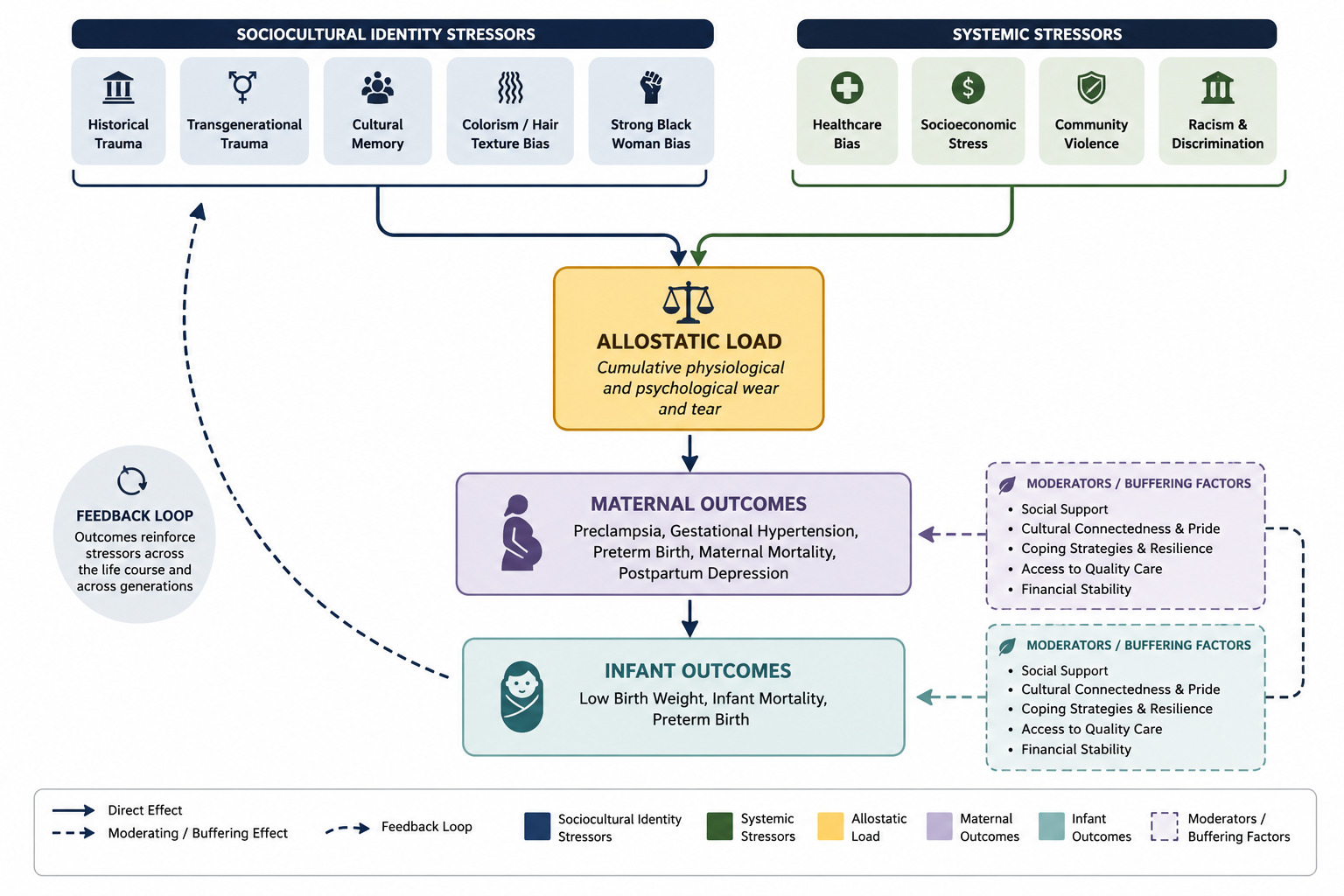
This literature synthesis integrated allostatic load theory, “Strong Black Woman” Schema, and the weathering hypothesis to develop a conceptual understanding of how psychosocial and structural stressors act as physiological risk factors for Black pregnant women. This synthesis delves into how Black women articulate psychosocial stress during pregnancy. The following research question guided this review:
How do psychosocial stressors, including structural inequities, sociocultural identity pressures, and experiences of trauma, shape maternal health experiences among pregnant Black women?
Methods
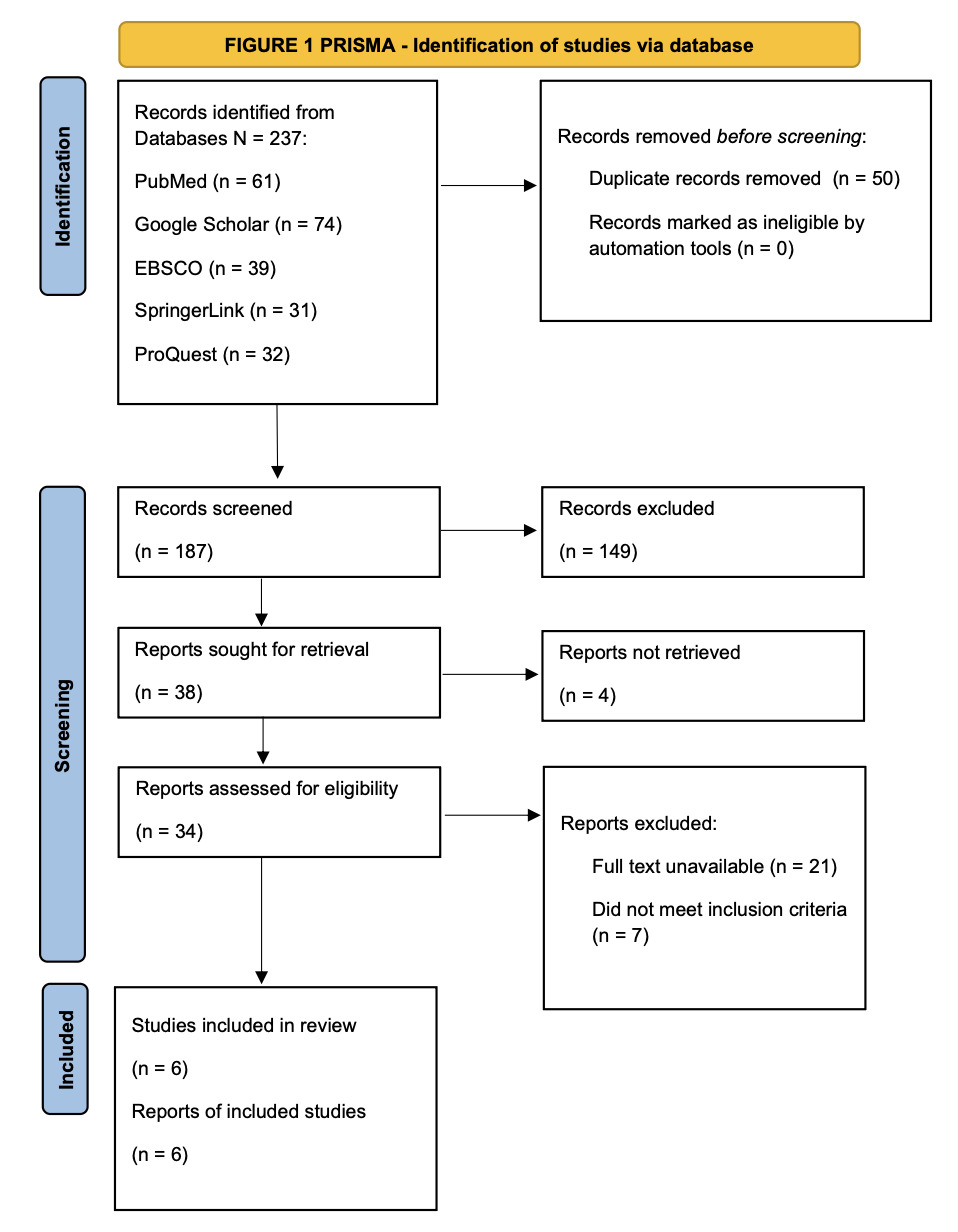
Relevant literature was compiled through searches across major academic databases, including PubMed, Google Scholar, EBSCO, SpringerLink, and ProQuest. The articles addressed maternal health outcomes, psychosocial stressors, or structural determinants affecting Black women in the United States. Searches were conducted using combinations of keywords and phrases such as Black women, maternal health disparities, maternal mortality, psychosocial stress, racial discrimination, structural racism, intersectionality, and pregnancy outcomes. These databases were selected for their accessibility and availability of full-length and peer-reviewed articles from the university library. The Preferred Reporting Items for Systematic Reviews and Meta-Analyses (PRISMA) guidelines were used to identify relevant articles for this review,16 and the PRISMA process is summarized in Figure 1. Inclusion criteria included Black women, studies published from 2020 to 2025, studies in English, studies in the United States of America, and all peer-reviewed research types were included (quantitative, qualitative, and mixed methodologies). Exclusion criteria included studies from a wider target population, studies that did not report results on maternal health disparities for Black women (e.g., women from other ethnic groups), studies published before 2020, non-English studies, studies outside of the United States, systematic reviews, and conference abstracts.
Articles were screened by their titles and abstracts, and then full texts were analyzed in-depth. Ultimately, only 6 articles met the inclusion criteria. The Joanna Briggs Institute (JBI) critical appraisal tool was used to assess the dependability of the qualitative (n = 4) and cross-sectional/mixed studies (n= 2) included in the review.17,18 The JBI appraisal process is a pre-requisite for literature synthesis before the ConQual approach was used to establish the overall credibility level in the synthesized evidence.19 Each article was carefully evaluated to determine the level of congruence between the original study findings and the author’s interpretation. Findings were categorized as Unequivocal, Equivocal, or Unsupported. The final confidence rankings were determined by combining the results of dependability and credibility. Overall, the included studies were classified as having High, Moderate, or Low confidence, with all included articles demonstrating high dependability according to the JBI appraisal criteria.

Results
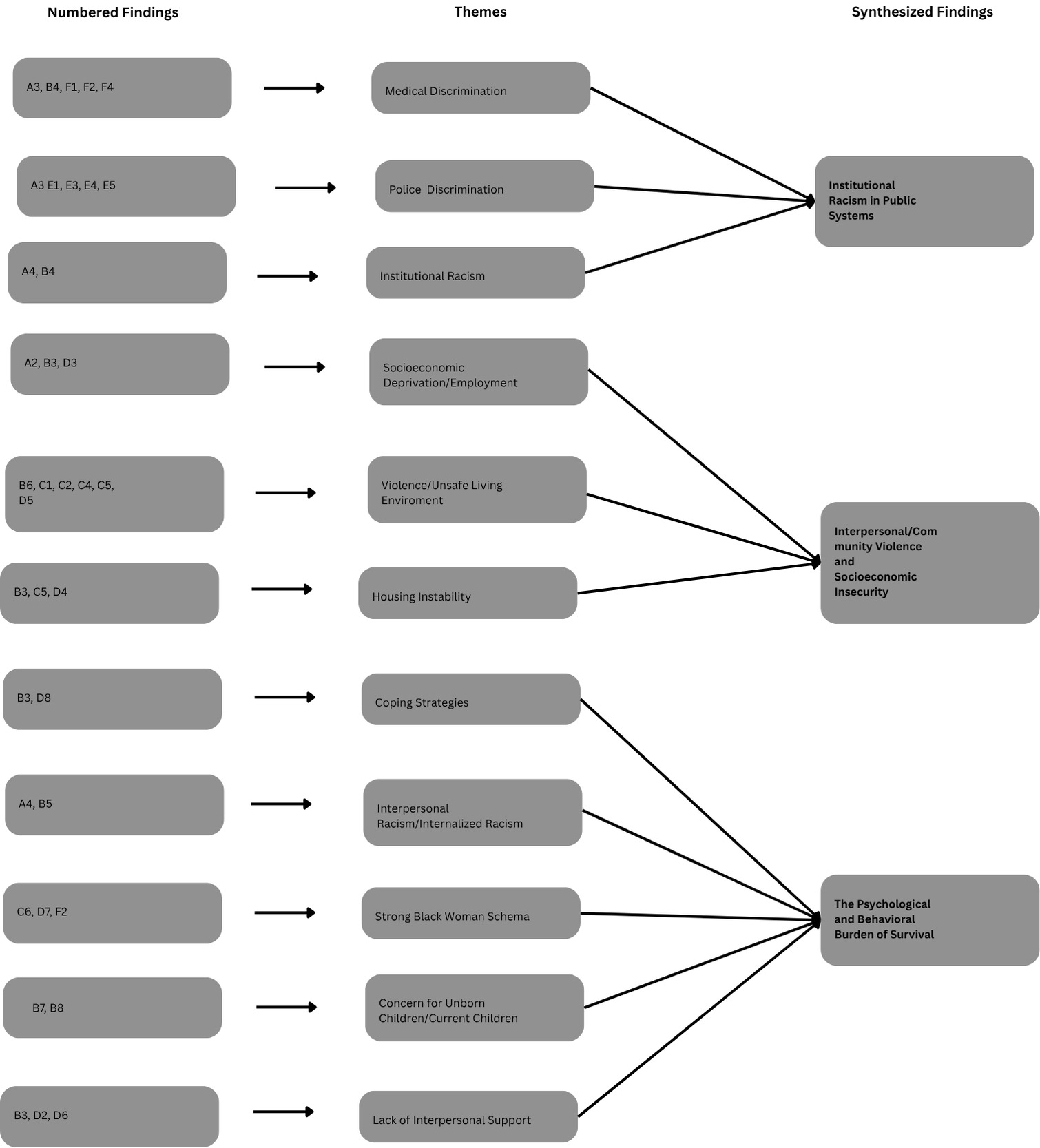
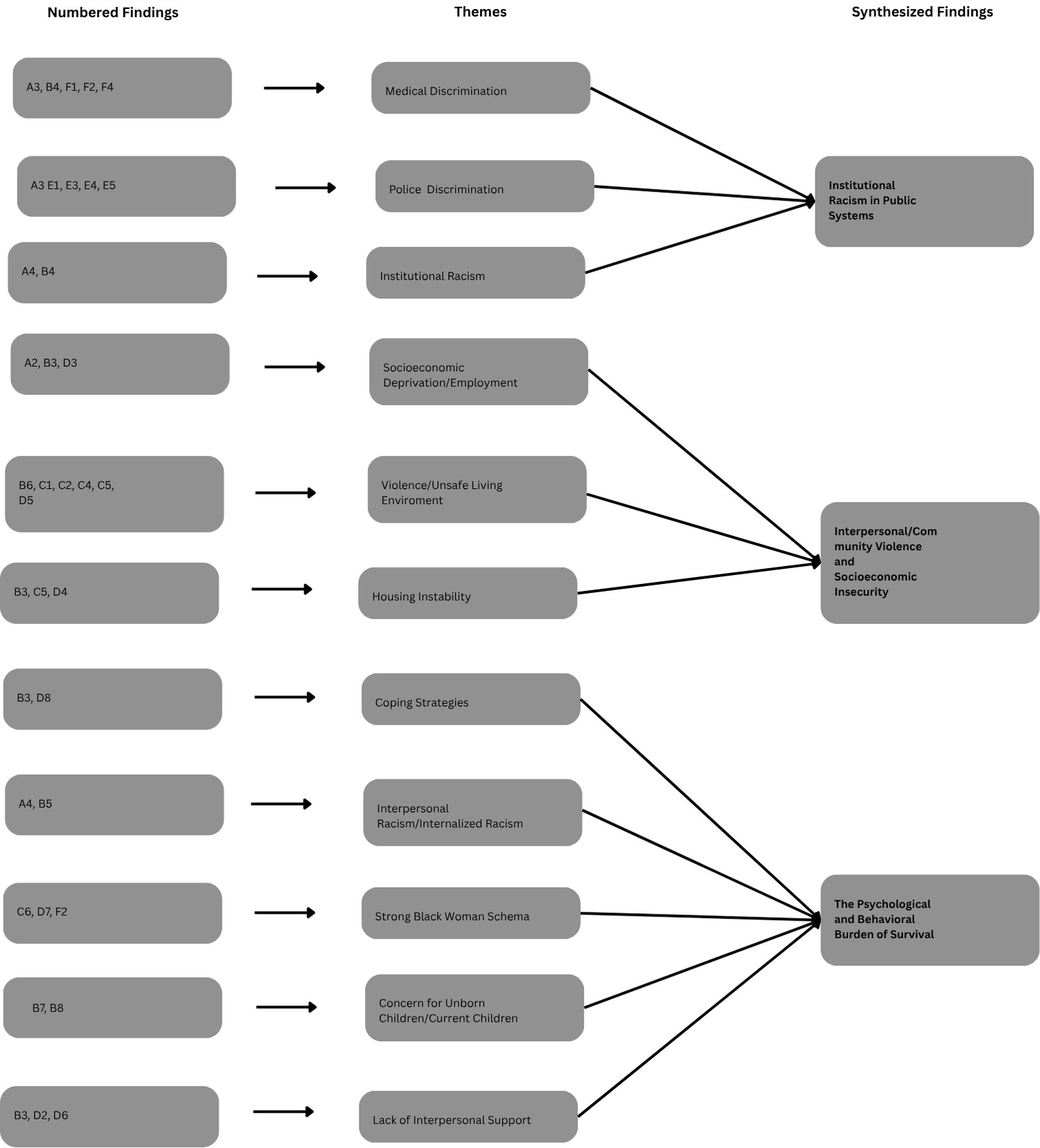
The critical appraisal of the selected research demonstrated high levels of dependability (the literature synthesis process can be found in Tables 2-4 of the supplementary files). The research employed qualitative or mixed method studies, which is necessary approach for exploring the nuanced lived experiences of pregnant black women that quantitative data alone might overlook. All studies met the JBI quality criteria of 85% to 100%. As a result, no studies were excluded. Themes were identified across all included studies, and recurring themes mentioned in two or more articles were synthesized into the final analysis.
The study populations focus on Black pregnant or postpartum women within the United States. Collectively, the research covers an age range of 18 to 45 years, with a total of 135 participants represented across the six articles. All studies were conducted in English. A diagram summarizing the literature synthesis process is presented in Figure 2 and Table 1.
Police and Healthcare Discrimination
Four studies explored how institutional racism is a significant factor influencing Black maternal health outcomes across multiple studies. Participants described discrimination across multiple domains, but institutional racism was the most reported form of racism.20 Deprived neighborhoods experienced higher rates of medical discrimination and police discrimination.21 Participants recalled feeling exploited and helpless in their vulnerable state as Black pregnant women, believing that healthcare professionals relied on their authority and institutional power knowing their voices would be trusted over the patients’ concerns. Their intersecting identities influenced how medical professionals perceived, treated, and responded to them throughout their care experiences. Participants recalled judgmental comments made by healthcare professionals such as,
“Well, maybe if you were doing what you were supposed to be doing, she wouldn’t be so little.”21
Similarly, many participants felt ignored and dismissed by healthcare providers during serious medical events, resulting in delayed diagnoses, traumatic birth experiences, and distrust in the healthcare system. One participant stated,
“We were not believed. We were not taken seriously.”22
Participants also described racial stereotyping related to education, income, parenting preparedness, substance use, and pain tolerance, even among highly educated and privately insured women, demonstrating that socioeconomic status did not shield Black women from discriminatory treatment 22. Another study found that fear of police brutality toward their unborn children, particularly sons, was a pervasive source of stress during pregnancy and postpartum.23 Participants expressed feeling powerless to protect their children from systemic racism and violence, with one participant asking,
“How do you protect them or how do you be OK sending them out in the world where they should be safe. And that may or may not be the reality.”23
Even women without negative personal experiences with police anticipated harm toward their children and described constantly expecting “that phone call”23. These experiences contributed to feelings of vulnerability, mistrust, loss of control, and inability to protect themselves and their unborn children. Collectively, these findings demonstrate how institutional racism within healthcare and policing systems creates chronic stress that may negatively affect Black maternal health outcomes and Allostatic Load.
Interpersonal and Community Violence
Participants described feeling unsafe not only within healthcare and social institutions, but also within their communities and even their own homes. Across the studies, Black women reported living in environments marked by violence, instability, and limited resources, creating chronic stress and emotional exhaustion throughout pregnancy. Many women experienced persistent hypervigilance while living in high-crime neighborhoods, constantly fearing for their own safety and the safety of their children.20 One participant described the emotional burden of community violence:
“You know what I’m saying on one side you hear shootings, like you, never know how to feel when you about to go out.”20
Participants expressed hopelessness regarding their living conditions and limited opportunities for safety or support, with one woman stating:
“Sometimes I feel like we, we shouldn’t even reproduce.”20
Additionally, many women did not feel safe within their own homes due to intimate partner violence (IPV) that intensified during pregnancy. Participants described experiencing constant fear, anxiety, depression, PTSD, and isolation, with one participant stating:
“I had constant anxiety during that pregnancy because of the fights and the stress at home. My body never felt safe.”24
Fear of judgment and stigma also caused some women to avoid prenatal care which limited opportunities for obstetric intervention and increasing stress. One participant explained:
“I didn’t want the doctor to see the bruises and start asking questions, so I just stayed home instead.”24
Unsafe housing and inadequate healthcare access further intensified vulnerability, as participants described living in dangerous neighborhoods with shootings and police raids while pregnant, lacking nearby hospitals capable of providing emergency obstetric care, and being unable to find employment or safe housing due to pregnancy discrimination.25 Collectively, these findings demonstrate that Black women often navigate pregnancy in environments where they feel unprotected and unsafe. Consequently, this situation perpetuates chronic stress and reinforces interpersonal and community violence.
The Psychological Burden of Survival
The Strong Black Woman schema is a significant psychosocial burden among Black pregnant women, demonstrating how expectations of strength, emotional suppression, caregiving, and endurance may have deeper psychological and physiological consequences. Across 5 studies, participants described feeling pressured to remain resilient through abuse, pregnancy complications, grief, racism, and emotional distress while prioritizing the needs of others above their own well-being. Women felt unable to openly discuss intimate partner violence (IPV), pregnancy loss, or emotional suffering because vulnerability was discouraged or ignored within their environments 24. One participant described the silence surrounding abuse and grief, stating:
“It was like nobody wanted to talk about it… not the baby, not what he did to me. It felt like they were saying none of it mattered.”24
Participants frequently internalized the expectation to continue functioning despite trauma, suppressing their own emotions while caring for partners, children, and family responsibilities. This pressure to endure was also reflected within healthcare interactions, where Black women reported that their pain and emotional needs were minimized or dismissed. Racial stereotypes surrounding Black women’s pain tolerance influenced provider behavior and treatment decisions, even during childbirth 22. One participant recalled being denied adequate pain management postpartum, explaining:
“The nurse came in and said, ‘You are not due for [pain] medication for another two hours.’ She made me wait. So, I literally just cried the first entire night in pain.”22
Despite severe bleeding and inability to physically move, she was still reprimanded for having her baby in bed with her because she could not get up to care for her infant. These experiences reinforced the expectation that Black women must withstand suffering without complaint while continuing to prioritize caregiving responsibilities over their own recovery and emotional needs. Other participants described emotional numbness and disconnection after traumatic pregnancy and birth experiences, suggesting that chronic stress and repeated invalidation diminished their ability to fully process emotions. Women also described balancing constant caregiving demands while attempting to regulate their stress for the sake of their unborn children, often neglecting their own emotional and physical well-being in the process.25 One participant stated:
“I don’t really feel nothing, but sometimes when I’m stressed and when I’m mad, I try to calm down just because I know it really impact the baby.”25
Although some women utilized adaptive coping strategies such as church involvement, music, personal care, and physical activity, others described emotional eating, isolation, alcohol/drug use, sexual intercourse, avoidance, or emotional shutdown due to overwhelming stress and lack of support.20,25 The cumulative burden of racism, caregiving, trauma, emotional suppression, and survival was also reflected physiologically. Low-income Black pregnant women demonstrated hair cortisol concentration (HCC) levels three to four times higher than their White counterparts throughout pregnancy and postpartum, demonstrating the biological embodiment of chronic stress.20 Participants described chronic stress as “a living nightmare”20 tied to unsafe environments, limited resources, financial instability, and lack of interpersonal support Collectively, these findings demonstrate that the Strong Black Woman schema functions not as a protective identity, but as a survival mechanism that often requires Black women to suppress vulnerability, endure trauma silently, and prioritize others before themselves, ultimately contributing to psychological distress, emotional exhaustion, and increased physiological allostatic load during pregnancy. This study introduces the concept of Collective Allostatic Load 2.0 Among Pregnant Women, which conceptualizes stress accumulation as both an individual and community-level phenomenon shaped by systemic stressors and sociocultural identity, as illustrated in Figure 3.

Discussion
The central aim of this literature synthesis was to examine how psychosocial stressors contribute to elevated allostatic load and adverse maternal health outcomes among Black pregnant women in the United States. Studies published between 2020 and 2025 were critically appraised and analyzed, with findings consistently demonstrating that institutional racism, interpersonal and community violence, and the psychological burden associated with survival contribute to chronic stress that increases allostatic load during pregnant and postpartum Black women. While studying allostatic load biomarkers among infertile women undergoing ovarian stimulation, researchers found that higher allostatic load scores were linked to adverse pregnancy outcomes, including increased odds of preeclampsia (62%), preterm birth (44%), and low birth weight (39%).26 These findings are also consistent with international research. For example, studies conducted in the United Kingdom found that minority women were often left uninformed about their pregnancies and care plans due to communication barriers, limited English proficiency, and the effects of a technocratic healthcare system in which patients were treated as tasks rather than individuals.27
There is various evidence demonstrating that racial discrimination and chronic stress negatively affect maternal health outcomes. Black women are placed at increased risk from the very beginning of prenatal care due to systemic inequities embedded within healthcare and social systems. Addressing these disparities requires interventions that are accessible, cost effective, and community centered. Greater investment should be directed toward community resources such as peer support groups and maternal wellness programs that can help reduce the effects of stress during pregnancy. Research also highlights the important role of doula services in addressing birth inequities. Doula support has been associated with lower rates of preterm birth, cesarean delivery, and low birth weight, as well as improved breastfeeding initiation.28,29 Continuous communication from doulas throughout pregnancy strengthens maternal self-efficacy and improves coping strategies for stress management.30,31 Furthermore, incorporating doulas from the same communities as Black mothers may enhance cultural responsiveness of maternal healthcare. Doulas who share lived experiences and similar racial, cultural, or community backgrounds can help foster trust and may be better positioned to advocate for patients and facilitate positive birth experiences. From a practice perspective, hospitals, clinics, and non-profit organizations should prioritize partnerships with community-based doula programs and integrate doulas into interdisciplinary maternal care teams. As maternal mortality rates among Black women continue to rise, it is essential to amplify the voices and experiences of those who are often overlooked within healthcare systems, while recognizing that these experiences may not reflect those of all Black women.
Limitations
This synthesis review has several limitations that should be acknowledged. First, all included studies were published between 2020 and 2025, which limited the historical scope of the review and may not fully capture long-term trends in maternal health disparities affecting Black women. Additionally, access to articles was limited by the availability of full-text resources accessible through student subscriptions, which may have excluded relevant studies that needed institutional or paid access. The review also focused primarily on studies conducted in the United States, where the definition of “Black woman” is restricted to African American populations. As a result, the findings may not reflect the experiences of Black women from other countries, cultures, or ethnic backgrounds within the African diaspora. Furthermore, only English-language studies were included which introduced language bias and excluded valuable international research. Another limitation is the small evidence base, as only six articles met the inclusion criteria, which limited the generalizability of the findings. In addition, a single reviewer completed the screening and data extraction processes, and the absence of dual screening increased the potential for selection bias and human error. The included studies may not fully represent the diversity of Black pregnant women, including variations in socioeconomic status, immigration status, geographic location, cultural background, gender identity, and healthcare experiences.
Despite these limitations, this synthesis review has an important strength. All synthesized articles were evaluated using the JBI critical appraisal tool and were determined to have high dependability, which ensures credibility and the selected studies meet quality standards. Future research should address these limitations by including larger and more diverse study populations, incorporating international perspectives, expanding inclusion to non-English studies, and utilizing multiple reviewers during the screening and data extraction processes to reduce bias. Further studies should also explore the unique experiences of diverse subgroups of Black pregnant women, such as Nigerian women or the LGBTQ community, to provide a comprehensive understanding of maternal health disparities and improve culturally competent healthcare interventions.
Conclusion
Black maternal health disparities are rooted in structural and psychosocial inequities that extend beyond biomedical risk factors alone. Culturally competent maternal healthcare interventions are necessary to reduce chronic stress exposure and improve maternal and infant health outcomes among Black women. Future research should continue exploring the long-term physiological impacts of chronic stress and allostatic load while prioritizing Black women’s lived experiences in the development of maternal health interventions, policies, and advocacy efforts.
Author Biographies
Lucy Efobi
Lucy is a fourth-year undergraduate nursing student completing her studies at Felician University and is passionate about promoting equitable and culturally sensitive care in underserved communities, particularly within the sphere of maternal and community health. Her research interests encompass topics including how social determinants such as racism, stress, food insecurity, and limited prenatal access may contribute to maternal and neonatal outcomes. She is also interested in how targeted education tools can improve prenatal health literacy among pregnant women with regards to recognition of complications like preeclampsia or preterm labor.
Kamilah Marie Woodson, Ph.D.
Dr. Kamilah Marie Woodson is the former, Associate Dean/Director of Graduate Studies, Department Chair “woman”, and Director of Training of the APA Accredited Counseling Psychology Ph.D. program. She is currently a Full Professor with tenure in the Howard University School of Education, Department of Human Development and Psycho-educational Studies, and is conducting research on friendship and its impact on psychological functioning among women of color. To date, Dr. Woodson has published over 25 referred journal articles and book chapters and has served on over 100 Doctoral Dissertation Committees (Advisor-40).